
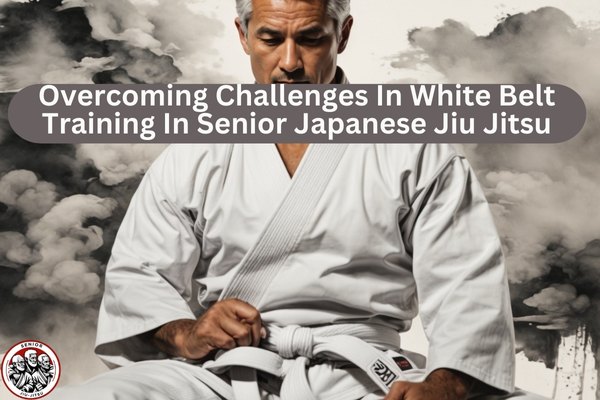
Stepping onto the mat for the first time as a senior white belt in Japanese Jiu Jitsu is like diving into a new world—one filled with excitement, nerves, and a fair share of challenges. You’re not just learning a martial art; you’re embracing a journey that tests your body, mind, and spirit. Whether you’re in your 50s, 60s, or beyond, starting Japanese Jiu Jitsu as a senior can feel daunting, but it’s also incredibly rewarding. So, how do you navigate the hurdles of white belt training when your body doesn’t move like it used to, and the techniques seem like a foreign language? Let’s break it down, step by step, and explore how you can overcome the challenges of senior Japanese Jiu Jitsu training with confidence and grace.
What Is Senior Japanese Jiu Jitsu?
Understanding the Art’s Unique Approach
Japanese Jiu Jitsu, unlike its Brazilian cousin, emphasizes traditional techniques rooted in samurai combat. It’s a martial art that blends throws, joint locks, and strikes with a focus on self-defense and discipline. For seniors, Japanese Jiu Jitsu offers a unique appeal: it prioritizes technique over brute strength, making it accessible regardless of age or physical condition. The art’s philosophy of using an opponent’s energy against them feels like a dance—a strategic, flowing movement that doesn’t demand you be the strongest person in the room. As a senior, you’ll find this focus on leverage and precision empowering, but it also comes with its own learning curve.
Why Seniors Choose Jiu Jitsu
Why would someone in their golden years step onto the mat? For many, it’s about staying active, sharpening the mind, and finding community. Japanese Jiu Jitsu offers a low-impact way to build strength, improve flexibility, and boost mental clarity. It’s not just about self-defense; it’s about rediscovering confidence and resilience. Imagine feeling stronger, more balanced, and part of a group that cheers you on—pretty motivating, right? But the path isn’t always smooth, especially when you’re starting as a white belt with years of life experience but a beginner’s grasp of the art.
The White Belt Journey: A New Beginning
Embracing the Beginner’s Mindset
As a senior white belt, you’re starting from scratch, and that’s okay! The white belt symbolizes a blank slate—a chance to learn without preconceptions. But let’s be honest: it’s humbling to be a beginner when you’ve mastered so much in other areas of life. Embracing a beginner’s mindset means letting go of ego and welcoming mistakes as teachers. Think of it like planting a seed: it takes time, patience, and a little dirt to grow something strong. Every fumbled technique or awkward roll is a step toward mastery.
Common Expectations vs. Reality
You might walk into the dojo picturing yourself flowing through techniques like a samurai in a movie. The reality? You’re more likely to feel like a fish out of water. White belt training is about repetition, trial, and error—not instant perfection. Seniors often expect their life experience to give them a head start, but Jiu Jitsu doesn’t care about your resume. It’s a humbling equalizer that rewards persistence over natural talent. Accepting this gap between expectation and reality is your first step to thriving.
Physical Challenges for Senior White Belts
Managing Joint Stiffness and Mobility Issues
Let’s talk about the elephant in the room: your body isn’t 20 anymore. Creaky knees, stiff hips, or a cranky back can make Jiu Jitsu’s dynamic movements feel intimidating. The good news? You don’t need to move like a gymnast to succeed. Focus on mobility exercises like dynamic stretches or yoga-inspired flows to loosen up before class. Picture your joints as rusty hinges—gentle, consistent movement is the oil that keeps them working. Listen to your body, and don’t push past pain. Over time, regular training can actually improve your mobility, making daily tasks easier.
Building Strength and Endurance Safely
Japanese Jiu Jitsu doesn’t demand Herculean strength, but it does require functional fitness. As a senior, building strength safely is key. Bodyweight exercises like squats, planks, and modified push-ups can prepare you for the mat without risking injury. Endurance comes from pacing yourself—think of training like a marathon, not a sprint. Start with shorter sessions and gradually increase intensity as your stamina improves.
Warm-Up Routines Tailored for Seniors
A good warm-up is your secret weapon. Try a 10-minute routine of neck rolls, arm circles, and hip rotations to get the blood flowing. Add in light cardio, like marching in place or shadowboxing, to elevate your heart rate without overdoing it. These movements mimic Jiu Jitsu’s demands while protecting your joints. Think of your warm-up as a gentle handshake with your body, preparing it for the work ahead.
Adapting Techniques to Your Body’s Needs
Not every technique will feel natural right away, and that’s okay. Work with your instructor to modify movements for your body’s limitations. For example, if a deep squat feels tough, focus on higher stances or use a partner’s resistance to build strength gradually. It’s like tailoring a suit—what fits one person perfectly might need adjustments for you. Communicate openly with your instructor to find what works.
Mental and Emotional Hurdles
Overcoming Self-Doubt and Frustration
Starting Jiu Jitsu as a senior can stir up self-doubt. “Am I too old for this?” or “Why can’t I get this technique?” are common thoughts. Here’s the truth: everyone feels this way at first, regardless of age. Reframe doubt as curiosity—ask yourself, “What can I learn from this?” Instead of focusing on what you can’t do yet, celebrate what you’re discovering. It’s like learning a new language; every word you master brings you closer to fluency.
Dealing with the Learning Curve
Japanese Jiu Jitsu’s techniques can feel like a puzzle with missing pieces. The learning curve is steep, especially for seniors who might not retain information as quickly as younger students. Break techniques into smaller steps and practice them slowly. Visualization helps, too—mentally rehearse moves before bed to reinforce learning. Think of your brain as a muscle; the more you train it, the stronger it gets.
Technical Challenges in Japanese Jiu Jitsu
Mastering Foundational Techniques
As a white belt, you’ll focus on basics like stances, breakfalls, and simple joint locks. These are the building blocks of Jiu Jitsu, like the foundation of a house. Nail them early, and everything else becomes easier. Practice breakfalls (ukemi) to fall safely without fear, and drill basic throws like O-Goshi (hip throw) to build confidence. Repetition is your friend—think of it as brushing your teeth, something you do daily to keep things strong.
Adapting to Complex Movements
Jiu Jitsu’s more advanced techniques, like flowing combinations or intricate locks, can feel overwhelming. Break them down into bite-sized pieces. For example, if a wrist lock feels tricky, focus on the grip first, then the twist, then the finish. It’s like assembling a jigsaw puzzle—one piece at a time. Patience here is key; rushing leads to frustration, but steady progress builds mastery.
Building a Supportive Training Environment
Finding the Right Dojo and Instructor
Your dojo is your home away from home, so choose wisely. Look for a school that emphasizes respect, safety, and individualized instruction. A good instructor will understand your needs as a senior and adapt lessons accordingly. Ask yourself: Do I feel welcomed? Does the instructor explain things clearly? It’s like choosing a dance partner—you need someone who moves at your pace and lifts you up.
Connecting with Fellow Practitioners
Training isn’t just about techniques; it’s about community. Connect with your training partners, even if they’re younger. Share a laugh after a clumsy roll or ask for tips from higher belts. These bonds make the mat feel like a second family. Picture it like a potluck—everyone brings something unique, and together, you create something special.
Nutrition and Recovery for Senior Practitioners
Fueling Your Body for Optimal Performance
Good nutrition fuels your Jiu Jitsu journey. Focus on whole foods like lean proteins, vegetables, and healthy fats to support muscle repair and energy. Hydration is non-negotiable—think of water as your body’s oil, keeping everything running smoothly. A balanced meal before training, like grilled chicken with quinoa and greens, can give you the energy to power through class.
Prioritizing Rest and Recovery
Recovery is where the magic happens. As a senior, you need more rest than younger students to heal and rebuild. Aim for 7-8 hours of sleep and consider light stretching or foam rolling on rest days to ease soreness. Think of recovery like recharging a battery—give your body time to power up, and it’ll perform better on the mat.
Staying Motivated on the Long Road Ahead
Setting Realistic Goals
The road to black belt is long, but you don’t need to aim for it right away. Set small, achievable goals, like mastering one technique per month or attending two classes a week. These mini-milestones keep you focused and motivated. It’s like climbing a mountain—one step at a time gets you to the summit.
Celebrating Small Wins
Every time you nail a technique or survive a tough sparring session, give yourself a mental high-five. These small wins add up, building confidence and momentum. Keep a training journal to track progress—it’s like a scrapbook of your Jiu Jitsu journey, reminding you how far you’ve come.
Conclusion: Your Path to Mastery as a Senior White Belt
Starting Japanese Jiu Jitsu as a senior white belt is no small feat, but it’s a journey worth taking. From physical challenges like joint stiffness to mental hurdles like self-doubt, every obstacle is an opportunity to grow stronger, wiser, and more resilient. By embracing a beginner’s mindset, building a supportive community, and prioritizing your health, you’ll not only survive white belt training but thrive in it. So, tie your belt, step onto the mat, and trust the process. Your Jiu Jitsu story is just beginning, and it’s going to be epic.
FAQs
1. Can seniors really start Japanese Jiu Jitsu as beginners?
Absolutely! Japanese Jiu Jitsu is technique-driven, making it accessible for seniors. Start slow, communicate with your instructor, and focus on safe, gradual progress.
2. How can I avoid injuries as a senior white belt?
Prioritize warm-ups, listen to your body, and modify techniques to suit your physical needs. A good instructor will help you train safely.
3. What if I feel too old to keep up with younger students?
Focus on your own journey, not theirs. Jiu Jitsu rewards patience and technique, not youth. You’ll be surprised how much you can achieve with consistency.
4. How often should seniors train as white belts?
Start with 1-2 classes per week, adjusting based on your energy and recovery. Consistency matters more than frequency.
5. What’s the best way to stay motivated during tough days?
Set small goals, track your progress, and lean on your dojo community. Celebrating tiny victories keeps the fire burning.